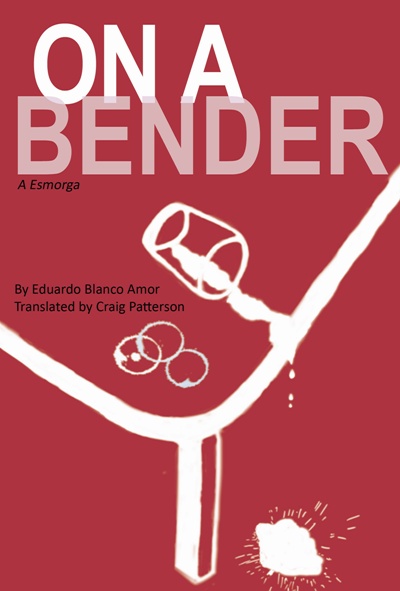
Segundo este artigo de Chad Post, Small Stations Press vén sendo a segunda meirande editora de literatura de
España en Estados Unidos durante a década 2008-2018. Cando empezamos a editar a
literatura galega en inglés en 2009, só había 29 títulos galegos en inglés que
saíron durante o periodo 1964-2008. Parecéronnos ben poucos para unha
literatura de tres millóns de falantes. A finais de 2019, xa había 104 títulos
galegos en inglés, un incremento de 75 títulos en once anos, dos que 46 títulos
son nosos. Pódese consultar unha lista dos títulos neste enlace.

Editamos as primeiras
edicións en inglés dos poemarios Cantares
gallegos e Follas novas de
Rosalía de Castro, en tradución da poeta canadense Erín Moure. Cantares gallegos saíu por vez primeira
en 1863, a súa edición inglesa non ata 2013 – 150 anos despois! En total,
editamos a obra de 29 escritoras e escritores galegos en tradución de 9 tradutoras
e tradutores, e con ilustracións de 7 ilustradoras e ilustradores. Editamos a
obra de autoras como Marilar Aleixandre, Fina Casalderrey, Agustín Fernández
Paz, Paco Martín, Marina Mayoral, Teresa Moure, Xavier Queipo, Manuel Rivas,
Anxos Sumai e Suso de Toro. Este ano temos previsto sacar dez títulos máis de
autoras inéditas en inglés como son An Alfaya, Marica Campo, Francisco Castro, Pedro
Feijoo, Iria Misa, Xelís de Toro e Martín Veiga.
Para algúns destes
libros recibimos as axudas á tradución que outorga a Xunta de Galicia. A xente
pensa que estas axudas son para a editorial, pero débense pagar integramente á
persoa tradutora da obra. De feito, a editorial recibe só o 45% da axuda de
antemán, debe anticipar o resto ao pagar á persoa tradutora e esperar ata que o
proxecto se aprobe para cobrar o 55% restante (que pode ser varios meses ou
incluso un ano despois). A editorial funciona como banco de crédito, neste
sentido.
A tarefa que outorgaba a
Xunta de Galicia era de 25-50 euros/páxina ata 2012, pero en 2013 esta tarefa
baixou a 20 euros/páxina, que está por debaixo da tarefa recomendada pola Asociación de Tradutoras do Reino Unido (£95/1.000 palabras, aproximadamente 25
euros/páxina). Con esta tarefa, a persoa tradutora só vai poder sobrevivir, non
vai poder aforrar. A persoa tradutora tense que manter nunha permanente tensión
– só cobra mentres traduce, en canto deixa de facelo non cobra nada. Non conta
con seguridade social, pensión, vacacións pagadas.
E nos anos 2013, 2014 e
2019, a Xunta de Galicia chegou a outorgar para algúns dos nosos libros tarefas
de 17,80, 17,52 e 15,42 euros/páxina respetivamente. Na convocatoria – por
exemplo esta de
2020 – a tarefa dáse como ‘20 euros por páxina, como máximo’, o cal simplemente
fixa o límite para a Xunta – debería ser unha tarefa mínima que se garante para
a persoa tradutora, é dicir, ‘20 euros por páxina, como mínimo’.
Cando lle escribín á
Xefa do Servizo do Libro e Publicacións, Dolores Tobío Barreira, para saber que
debía facer coa tarefa de 15,42 euros, a resposta foi que a editorial debía
poñer a diferencia. Entón a editorial que intenta exportar a literatura galega,
á parte de correr cos gastos de revisión do texto, deseño, impresión e
distribución do libro, debe anticipar o 55% da axuda e suplir o déficit cando
esta axuda non chega aos 20 euros/páxina.
A partir de 2018,
introducíronse axudas para a tradución dos libros, ‘así como para a súa edición’,
pero en 2018 non se percibiu ningunha suma adicional e en 2019 foron sumas
pequenas e na metade dos casos a tarefa que se pagou pola tradución foi menos
de 20 euros/páxina – o que se gañou acabouse perdendo.
Small Stations Press
está basado en Bulgaria. Utilizamos o mesmo sistema de distribución ca moitas
editoras do Reino Unido (como, por exemplo, Shearsman Books, editora de moitos
títulos da poesía galega en inglés), é dicir print on demand ou impresión baixa demanda, o cal permite que os
libros se poidan pedir e imprimir nos tres grandes mercados anglosaxóns de
Estados Unidos, do Reino Unido e de Australia a través de 39.000 puntos de
venda e dende calquera curruncho do mundo. Intentamos que os prezos dos nosos
libros, que varían entre 10 e 18 euros, sexan asequibles.
A tradución é moi
importante. É a voz propia máis alén das fronteiras dun país. A outra persoa na
maioría dos casos non vai chegar a entender a cultura galega sen que haxa
tradutor ou tradutora que a traduza. A tradución permite o intercambio
cultural, a comprensión mutua, debería ser unha prioridade, pero moitas veces
só se nos ocorre despois (e en canto deixa de ser necesaria, adoitamos
esquecela). Pero é a voz do outro.
A Consellería de Cultura
e Turismo da Xunta de Galicia ten unha páxina adicada ás traducións, que a
día de hoxe (14 de maio de 2020) conta con cinco iniciativas:
1. as axudas á
tradución que mencionei arriba;
2. a colección Galician
Classics, que foron coedicións entre a Xunta de Galicia e a miña editorial,
Small Stations Press, e que consta de sete títulos;
3. unha Anthology of Galician
Literature-Antoloxía da literatura galega bilingüe (galego-inglés) que
saíu en dous volumes (1196-1981/1981-2011) en 2010 e 2012, da que fun eu
o editor e o principal tradutor;
5. o Obradoiro
internacional de tradución poética que organiza a impulsora cultural
Yolanda Castaño.
Nótase que tres das
cinco iniciativas dependen directamente do meu traballo como tradutor e editor,
pero en ningún momento se menciona o meu nome. O tradutor non existe.
A colección Galician
Classics é unha colección magnífica – de deseño facilmente recoñecible, cunha
foto da autora ou do autor na portada e a ollada da autora ou do autor no lombo
do libro, para que nos atraia a atención dende o estante (e certamente é así).
Na súa función de coeditora, para os catro primeiros títulos a Xunta de Galicia
mercaba mil exemplares, pero a partir da edición de Nimbos en 2014 este número baixou a trescentos exemplares, o cal
dificultou moito a edición de Follas
novas en 2016 (cando tiven que aportar os meus propios cartos para que a
edición saíse adiante e a tradutora recibise a tarefa recomendada), e a partir
da edición de Ilustrísima en 2017 non
se fixo ningunha outra edición. É dicir, a Xunta de Galicia terminou a súa
colaboración nesta colección hai tres anos, a pesar das suxerencias que fixen ao
Director xeral de Políticas Culturais, Anxo Lorenzo, de sacarmos títulos como Á lus do candil de Ánxel Fole, Arredor de si de Ramón Otero Pedrayo, Tempo fósil de Pilar Pallarés (obra
gañadora do Premio Nacional de Poesía) e Scórpio
de Ricardo Carvalho Calero (figura que se celebra este ano no Día das letras
galegas, pero do que non se pode ler ningún libro en inglés).
É unha mágoa porque esta
colección, ao seren nomes máis facilmente recoñecibles (Rosalía de Castro,
Álvaro Cunqueiro, Carlos Casares), tivo unha relativamente boa acepción entre o
lectorado anglófono.
Namentres, a Anthology of Galician Literature-Antoloxía
da literatura galega en dous volumes (1196-1981/1981-2011) tivo a particularidade de que
as cento dez escolmas as fixesen as propias autoras e autores, ou persoas
expertas na súa obra. O segundo volume saíu hai xa oito anos, e a meu ver non
tiveron a distribución debida – podíanse dar a cada visitante estranxeiro ás
institucións galegas e a participantes en eventos, conferencias e festivais
organizados en Galicia, como carta de presentación. Ben sabido é que o inglés
funciona como lingua intermediaria, e moitas editoras e lectoras do mundo o
utilizan para acceder a textos (e culturas) aos que non terían acceso normalmente.
O web para a literatura
galega en inglés, o Portico of Galician Literature, www.galicianliterature.gal, conta coa presencia virtual de corenta escritoras e
escritores galegos, cunha pequena biografía, a sinopse dun libro importante e
unha tradución mostra de 40-50 páxinas. Utílizase nas feiras do libro. Segundo
Google Analytics, dende a súa incepción en 2012 recibiu as visitas de máis de
14.000 usuarios dun total de máis de 80 países do mundo. Sen embargo, e a pesar
de que lle escribín tres correos electrónicos ao Director xeral de Políticas
Culturais, Anxo Lorenzo, e ao seu departamento nos meses de febreiro e marzo, a
Xunta de Galicia este ano non renovou o seu interese.
É dicir, das cinco
iniciativas adicadas á tradución, semella que tres pertencen ao pasado (pero
mantéñense, anonimamente, na páxina web da Consellería de Cultura); as axudas á
tradución e o Obradoiro que organiza Yolanda Castaño, é de esperar que continúen.
Esta é a situación que
afrontamos as tradutoras e editoras da literatura galega fóra de Galicia (é
dicir, as representantes da cultura galega para toda persoa que non entenda
galego, que vén sendo a gran maioría da poboación do mundo).
A semana pasada (7 de
maio de 2020), o Conselleiro de Cultura e Turismo, Román Rodríguez, presentou
un plan de reactivación dos sectores cultural e turístico (a nova está aquí, o PDF do plan aquí). A
tradución méncionase na páxina 42:
“Apoio ás traducións literarias. Incremento das axudas ás empresas editoras
para a realización de traducións do galego a outras linguas e doutras linguas
ao galego.”
As únicas axudas que eu
coñezo son as axudas á tradución que mencionei. A convocatoria de 2019 está
resolta. A convocatoria de 2020 está en trámite, pero non se sabe cando se han
outorgar. Se se outorgan en xullo ou agosto, como vén sendo habitual, a
primeira anualidade das axudas (o 45%) pagarase este ano e a segunda anualidade
(o 55%) a finais de 2021 ou principios de 2022. Aínda que se incrementen –
entendo que o orzamento será maior e se outorgarán máis axudas, pero coa mesma
tarefa de 20 euros/páxina (que está fixada na convocatoria ‘como máximo’, pero
que pode ser menos) – ¿que axuda nos dá nesta situación difícil que afrontamos?
Cando, á vez, parece que se cancelaron os proxectos Galician Classics e Portico
of Galician Literature, e a Anthology of
Galician Literature foi editada hai xa varios anos.

Levo vinculado coa
cultura galega trinta anos. Traducín obras de Manuel Rivas que están editadas
por Penguin Random House. Editei e traducín un suplemento de Contemporary Galician Poets para a revista da Poetry Society
británica, a máis prestixiosa revista de poesía do Reino Unido, Poetry Review en 2010. Este suplemento
foi enviado en papel aos domicilios das 4.000 suscritoras e suscritores da
revista e segue dispoñible na páxina web da
revista para calquera que queira descargalo.
Dende hai trinta anos,
fixen un esforzo tremendo para que a literatura galega – e, por tanto, a
cultura galega – saíse máis alá das súas fronteiras lingüísticas, esforzo que
non recibiu ningún recoñecemento oficial por parte das institucións galegas e
que nin merece mención do meu nome na páxina web da Xunta de Galicia que está adicada
ás traducións.
O que necesitamos é un
apoio para promocionar os nosos títulos, unha política de promoción. Veño dende
2009 reclamando a creación dunha Oficina de Tradución cun orzamento
anual de entre 60.000 e 120.000 euros (o Consello da Cultura Galega, que ten un
apartado de ‘Acción Exterior’, conta cun orzamento anual de 2.800.000 euros,
segundo este artigo de Galicia Press) que se adique
a promocionar os títulos galegos noutros idiomas, a establecer contactos cos
axentes culturais dos países de chegada (librarías, bibliotecas, xornalistas,
etc.), a organizar actos, a poñer anuncios en revistas relevantes, incluso a
organizar un premio de tradución para premiar o labor da persoa tradutora e
realzar a obra gañadora. Hai un montón de actividades que se podían levar a
cabo para que as traducións entrasen con máis facilidade no mercado de chegada,
pero fai falta un orzamento, fai falta un compromiso constante. Levo once anos
pedindo e agardando esta iniciativa.
Nunha recente entrevista con Daniel Salgado no xornal Nós Diario, tamén suxiro a creación dunha Escola de Tradutoras
con dez postos de traballo para persoas tradutoras, para que as tradutoras
poidamos percibir un salario, dignamente. Podíanse dar a persoas tradutoras con
probada traxectoria que traballan activamente no eido da tradución co galego.
Segundo o mesmo artigo de Galicia Press, a Consellería
de Cultura e Turismo conta cun orzamento anual de 157.200.000 euros. Podíanse
crear vinte-cinco postos de traballo cun salario anual (pagado de antemán e
cunha duración mínima de cinco anos) de 25.000 euros – a literatura galega
chegaría moito máis alá, as tradutoras teriamos certa estabilidade en vez de ir
de proxecto en proxecto, e levaría o 0,4% do orzamento. ¿Non é apto para unha
Consellería de Cultura e Turismo?
E se o Conselleiro de
Cultura e Turismo, Román Rodríguez, realmente quere axudar ás persoas
tradutoras, debe non incrementar as axudas, senón incrementar a miserable
tarefa de 20 euros/páxina a 25 euros/páxina como mínimo. Isto pódese facer co
mesmo orzamento, outorgando axudas a menos libros – corenta en vez de
cincuenta, por exemplo.
Afronto serias
dificultades para sobrevivir simplemente polo feito de ser tradutor – porque
creo que debería haber persoas tradutoras que se adiquen á tradución a tempo
completo. A tradución é unha práctica, apréndese na práctica, pero as tradutoras
corremos o risco de nos convertermos en pezas arqueolóxicas.
Jonathan Dunne
Director, Small Stations
Press
Tradutor da literatura
galega dende 1993